
Tercoo® vs. Nadelentroster bei Marathon 550 Epoxid
Bei einer Live-Demonstration bei Actemium in Brasilien entfernte Tercoo® eine harte Jotun Marathon 550-Epoxidbeschichtung dreimal schneller als ein herkömmlicher Nadelentroster. Der Unterschied ging über die Arbeitsgeschwindigkeit hinaus. Der Nadelentroster konnte die Grundierung nicht entfernen, während Tercoo® das gesamte Beschichtungssystem durchdrang und eine sichtbar sauberere Oberfläche hinterließ. Die Demonstration wurde live an Offshore-Managementteams von Petrobras übertragen, die auf Plattformen und in den Hauptverwaltungen arbeiten. So erhielten die Teilnehmer einen direkten Eindruck davon, wie die beiden Entfernungsmethoden unter denselben Demonstrationsbedingungen abschnitten.
Marathon 550 ist eine oberflächentolerante Zweikomponenten-Epoxidbeschichtung, die für stark korrosive Umgebungen entwickelt wurde. Sie bietet eine hohe Abrieb- und Schlagfestigkeit und eignet sich für anspruchsvolle Anwendungen wie Offshore-Bauwerke, Spritzwasser- und Tidenzonen, Industrieanlagen und eingetauchten Stahl.
Diese Eigenschaften schützen das Substrat im Betrieb, machen die Beschichtung aber auch schwer entfernbar, wenn Wartung oder Reparatur notwendig werden.
Für die Demonstration bei Actemium war das Ziel klar: einen herkömmlichen Nadelentroster mit Tercoo® beim Entfernen desselben harten Beschichtungssystems zu vergleichen.
So schnitten die Werkzeuge ab
Nadelentroster und Tercoo® greifen die Beschichtung beide durch Schlagwirkung an, übertragen diese Schläge jedoch auf sehr unterschiedliche Weise auf die Oberfläche.
Ein Nadelentroster arbeitet mit einem Bündel einzelner Nadeln. Ihre wiederholten punktuellen Schläge können Beschichtung und Korrosion lokal aufbrechen, insbesondere an Kanten und unregelmäßigen Details. Auf einer größeren beschichteten Fläche muss der Bediener jedoch viele sich überlappende Durchgänge ausführen.
Tercoo® verwendet flexible rotierende Scheiben mit Hartmetallstiften (Wolframkarbid). Während sich die Scheibe dreht, treffen die Stifte in einer kontrollierten Pendelbewegung auf die Oberfläche. Das erzeugt einen aggressiven Abtrag über eine breitere Arbeitsbahn.
Der Unterschied war während der Demonstration deutlich:
-
Tercoo® entfernte die Beschichtung dreimal schneller.
-
Der Nadelentroster konnte die Grundierung nicht entfernen.
-
Tercoo® erzeugte eine sichtbar sauberere Oberfläche.
-
Es waren weder lose Strahlmittel noch Strahlausrüstung erforderlich.
Diese Ergebnisse gelten für die Beschichtung, die Ausrüstung und die Bedingungen dieser Demonstration. Die Arbeitsgeschwindigkeit in einem anderen Projekt hängt von Faktoren wie Beschichtungsart und -dicke, Zustand des Substrats, Zugänglichkeit, Arbeitstechnik des Bedieners und dem geforderten Endzustand der Oberfläche ab.
Warum der Nadelentroster an der Grundierung scheiterte
Die einzelnen Nadeln konzentrieren ihre Energie auf kleine Punkte. Dadurch kann die obere Beschichtung aufbrechen, es werden aber nicht zwangsläufig alle Schichten gleichmäßig über die gesamte Oberfläche entfernt.
Auf der Marathon 550-Testfläche entfernte der Nadelentroster einen Teil des Beschichtungssystems, konnte die Grundierung aber nicht abtragen. Mit derselben Methode weiterzuarbeiten, hätte zusätzliche Durchgänge erfordert, ohne eine gleichmäßig vorbereitete Oberfläche zu garantieren.
Tercoo® setzt wiederholte Schläge über eine breitere Bahn. Seine Hartmetallstifte sind für den großflächigen Abtrag von dicken Lackschichten, Epoxid, Bitumen, starkem Rost und mehrlagigen Verunreinigungen ausgelegt. Auf dieser Testplatte konnte das Werkzeug dadurch das gesamte Beschichtungssystem durchdringen und ein deutlich saubereres Substrat freilegen.
Warum Oberflächenreinheit wichtig ist
Den Großteil einer alten Beschichtung zu entfernen, ist nicht dasselbe, wie Stahl für eine neue vorzubereiten. Grundierungsreste und Verunreinigungen können zurückbleiben, selbst wenn die Oberfläche teilweise sauber erscheint.
Diese Unterscheidung ist in der Offshore-Instandhaltung entscheidend. Die neue Beschichtung hängt vom Zustand des darunterliegenden Substrats ab. Unvollständige Entfernung oder ein ungeeignetes Oberflächenprofil können die Haftung beeinträchtigen und die Lebensdauer der Reparatur verkürzen.
Tercoo® ist der Schritt für den schweren Abtrag in der MontiPower®-Methode. Er entfernt die dicke Beschichtung und legt das Substrat frei. Wenn die Beschichtungsspezifikation ein definiertes Rauheitsprofil verlangt, wird im nächsten Schritt der Bristle Blaster® eingesetzt, um den Stahl vor Prüfung und Neubeschichtung zu reinigen und zu profilieren.
Eine wichtige Einschränkung der Demonstration
Beim Test bei Actemium wurde Tercoo® mit einem Nadelentroster verglichen. Eine separate, ausschließlich mit dem Bristle Blaster® bearbeitete Fläche wurde auf derselben Platte unter identischen Bedingungen nicht vorbereitet.
Die Demonstration stützt daher einen direkten Vergleich zwischen Tercoo® und dem Nadelentroster beim Entfernen von Marathon 550. Sie sollte nicht als Dreifach-Produktivitätsvergleich unter Einbeziehung des Bristle Blaster® dargestellt werden.
Der Bristle Blaster® hat im Prozess eine andere Aufgabe. Tercoo® übernimmt den aggressiven großflächigen Abtrag, während der Bristle Blaster® die kontrollierte Verankerungsoberfläche erzeugt, die für die nächste Beschichtung erforderlich ist.
Relevant für die Offshore-Instandhaltung
Die Petrobras-Teams, die die Demonstration verfolgten, steuern Instandhaltungsarbeiten auf Offshore-Plattformen und von den unterstützenden Hauptverwaltungen aus. In diesen Umgebungen kann die Mobilisierung von Ausrüstung zum Strahlen mit Strahlmittel erheblichen Aufwand für Vorbereitung, Einhausung und Reinigung erfordern.
Ein tragbares mechanisches System bietet eine weitere Option für lokale Reparaturen und Instandhaltungsbereiche. Tercoo® entfernt die schwere Beschichtung ohne lose Strahlmittel. Dieselbe kompatible Antriebseinheit kann anschließend für Bristle Blasting konfiguriert werden, wenn der freigelegte Stahl weiter gereinigt und profiliert werden muss.
Die Demonstration bei Actemium machte den praktischen Unterschied sichtbar. Auf dem für den Test verwendeten harten Marathon 550-System arbeitete Tercoo® dreimal schneller als der Nadelentroster, entfernte Material, das der Nadelentroster zurückließ, und erzeugte die sauberere Oberfläche.
Beginnen Sie mit der Beschichtung und dem geforderten Ergebnis
Die Werkzeugauswahl sollte beim Beschichtungssystem, beim Substrat und beim geforderten Endzustand der Oberfläche ansetzen.
Ein Nadelentroster bleibt nützlich für lokales Entzundern und schwierige Details. Wenn es jedoch darum geht, eine harte, abriebfeste Beschichtung auf einer größeren Reparaturfläche zu entfernen, hat die Demonstration bei Actemium den Vorteil eines speziell für den schweren Abtrag entwickelten Werkzeugs gezeigt.
Nach dem Entfernen muss die freigelegte Oberfläche weiterhin anhand der Beschichtungsspezifikation geprüft werden. Wenn ein definiertes Rauheitsprofil erforderlich ist, schließen Sie den Prozess mit dem Bristle Blaster® ab und prüfen Sie die Oberfläche vor der Neubeschichtung.
Besprechen Sie Ihr Projekt zur Beschichtungsentfernung
Arbeiten Sie mit einer harten Epoxidbeschichtung oder planen Sie Instandhaltungsarbeiten, bei denen sich Strahlen mit Strahlmittel nur schwer einsetzen lässt? Nennen Sie uns die vorhandene Beschichtung, das Substrat, den geforderten Oberflächenstandard und die Arbeitsumgebung. Ein MontiPower®-Spezialist hilft Ihnen, die richtigen Schritte für Entfernung, Profilierung und Prüfung festzulegen.
Relevant reads
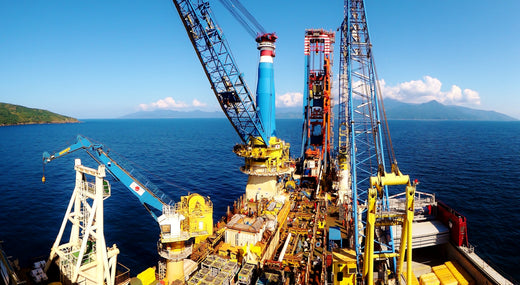
Namentlich genannt: der Bristle Blaster® in der Spezifikation des Trockendocks der CCGS Limnos
Die Spezifikation für die Trockendockung der CCGS Limnos der kanadischen Küstenwache von 2023 nennt den „Bristle Blaster“ als...
Lesen →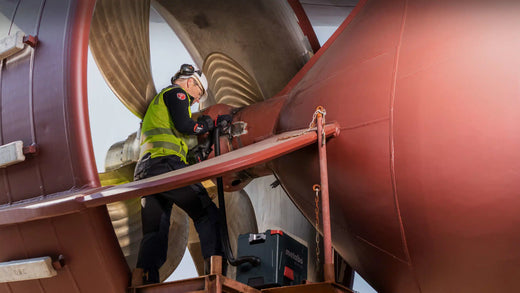
Deutsche Bahn-Feldtest: schnellere Korrosionsreparatur an Klebeverbindungen mit MONTI-Oberflächenvorbereitung
Ein Feldversuch der Deutschen Bahn im November 2011 an einem ICE 3-Triebzug nutzte MONTI Bristle-Tools, um Klebeverbindungsflächen vorzubereiten...
Lesen →
Shell SDA Projekt: rückstandsfreie Schweißnahtvorbereitung mit dem Bristle Blaster®
Auf dem SDA-Projekt von Shell in der Raffinerie Pernis bereiteten 10 Bristle Blaster® Pneumatic-Werkzeuge 2.000 Schweißnähte auf Sa...
Lesen →Erzählen Sie uns von Ihrer Oberfläche.
Wir empfehlen die passende Methode.
Erhalten Sie eine konkrete Empfehlung für Ihren Untergrund, Ihre Beschichtung und Ihre Norm – keine allgemeine Broschüre.