
Essai terrain Deutsche Bahn : réparation plus rapide de la corrosion des assemblages collés avec la préparation de surface MONTI
Lors d’un essai sur le terrain réalisé en novembre 2011 sur une rame ICE 3, la Deutsche Bahn a évalué une méthode plus rapide de réparation de la protection anticorrosion des joints collés et scellés. Les outils rotatifs à fils en acier inoxydable de MONTI ont été utilisés pour préparer les surfaces de collage — en rendant le substrat rugueux jusqu’à obtenir un profil proche du décapage et en permettant un cycle de revêtement de réparation plus court.
Contexte
La réparation d’un joint collé — par exemple autour d’un pare-brise collé sur un véhicule ferroviaire — exige un substrat entièrement porteur et exempt de corrosion. Sur les substrats revêtus, des dommages au revêtement apparaissent au cours de la durée de service d’un véhicule en raison de l’humidité stagnante (par exemple due à des fuites) ou de dommages mécaniques lors de la découpe d’une vitre défectueuse. Les dommages plus importants imposent de renouveler le revêtement, et les fabricants de peintures et d’adhésifs prescrivent généralement un temps de durcissement d’au moins sept jours à 20 °C minimum avant un nouveau collage.
Pour le compte de son département P.TBS 1, la Deutsche Bahn a étudié un système de revêtement Mankiewicz dont les essais internes laissaient penser qu’il pourrait réduire le temps de séchage à environ 48 heures. Des essais de corrosion réalisés par un laboratoire neutre (ILF Magdeburg) ont confirmé que la laque monocouche offrait sur l’aluminium une protection anticorrosion comparable à celle du système bicouche précédent, et des essais de vieillissement/d’adhérence (dont le vieillissement par « cataplasme ») ont montré une bonne adhérence sur l’aluminium. Les résultats sur l’acier ont été jugés insuffisants et signalés pour un examen complémentaire.
Préparation de surface
Les surfaces de collage et d’étanchéité ont été préparées avec les outils à fils en acier inoxydable de MONTI, qui rendent la surface rugueuse de manière analogue à un procédé de décapage. L’essai sur le terrain a permis de constater que :
- L’outil à fils compact en ligne (« stab ») offrait un bon accès dans les zones de joints confinées, la pression de service étant limitée à 5,4 bar au moyen du réducteur de pression fourni ; un fonctionnement à pression plus élevée réduit la durée de vie de la bande.
- Une bande MBX inox de 11 mm s’est révélée efficace pour éliminer les résidus de revêtement sur de petites surfaces, une « demi » bande étant utile pour les angles.
- La bande Bristle Blaster® plus large (22 mm, ~6,5 bar) a augmenté le rendement surfacique sur les grandes surfaces, au prix d’une certaine perte de souplesse.
- Lorsqu’un rouleau de prétension était utilisé pour augmenter le rendement sur des dommages de corrosion plus étendus, le profil obtenu pouvait devenir trop profond pour la laque monocouche ; dans ces cas, un léger passage au papier de grain 100 a permis d’adoucir les pics du profil.
Des « échantillons tactiles » de référence de l’état de surface visé ont été produits par l’atelier de Krefeld et partagés avec les dépôts participants. Des entraînements électriques étaient disponibles, mais avaient tendance à surchauffer sous charge prolongée ; l’entraînement pneumatique a donc été privilégié.
Résultat
L’essai — réalisé sur une rame ICE 3-TK à Krefeld les 15–16 novembre 2011, avec le soutien de MONTI et de Mankiewicz — a vérifié l’applicabilité de l’étape de préparation mécanique et du système de revêtement de réparation plus rapide sur l’aluminium, et les conclusions ont été consignées dans une instruction de travail en vue de leur déploiement. La Deutsche Bahn a noté que la laque de réparation étudiée ne convenait pas à l’acier et a recommandé des travaux complémentaires pour les substrats en acier et pour le collage sur des surfaces en PRV (plastique renforcé de fibres de verre).
Cet article résume un protocole de résultats documenté de la Deutsche Bahn. Il décrit l’évaluation sur le terrain menée par l’exploitant ferroviaire lui-même ; MontiPower a fourni l’outillage de préparation de surface et l’assistance technique.
Relevant reads
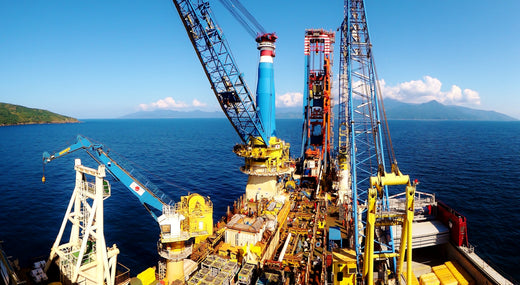
Cité nommément : le Bristle Blaster® dans la spécification de cale sèche du CCGS Limnos
La spécification de cale sèche 2023 du CCGS Limnos de la Garde côtière canadienne désigne le « Bristle Blaster »...
Lire →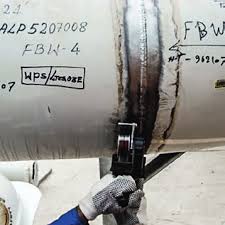
Projet Shell SDA : préparation des cordons de soudure sans abrasif avec le Bristle Blaster®
Sur le projet SDA de Shell à la raffinerie de Pernis, 10 outils Bristle Blaster® Pneumatic ont préparé...
Lire →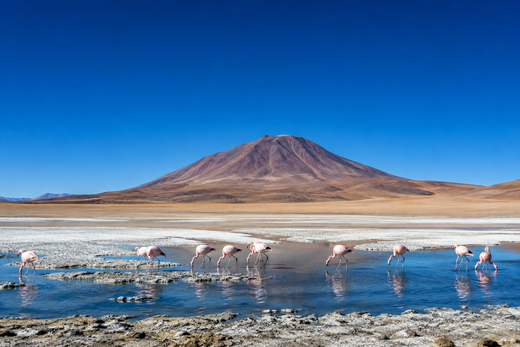
MontiPower en action — Bolivie, prêt pour le revêtement - N° 2
En décembre, Matservice Petróleo a réalisé le revêtement d'un joint de chantier pour Total E&P Bolivia, l'une des...
Lire →Parlez-nous de votre surface.
Nous vous recommanderons la méthode.
Obtenez une recommandation précise pour votre substrat, votre revêtement et votre norme, pas une brochure générique.