
How to Remove Leading Edge Protection from Wind Turbine Blades
Leading-edge protection (LEP) on rotor blades erodes and must be removed before re-application. The challenge: the substrate is composite, and aggressive removal damages exactly the surface the new LEP must bond to.
What sits on the leading edge
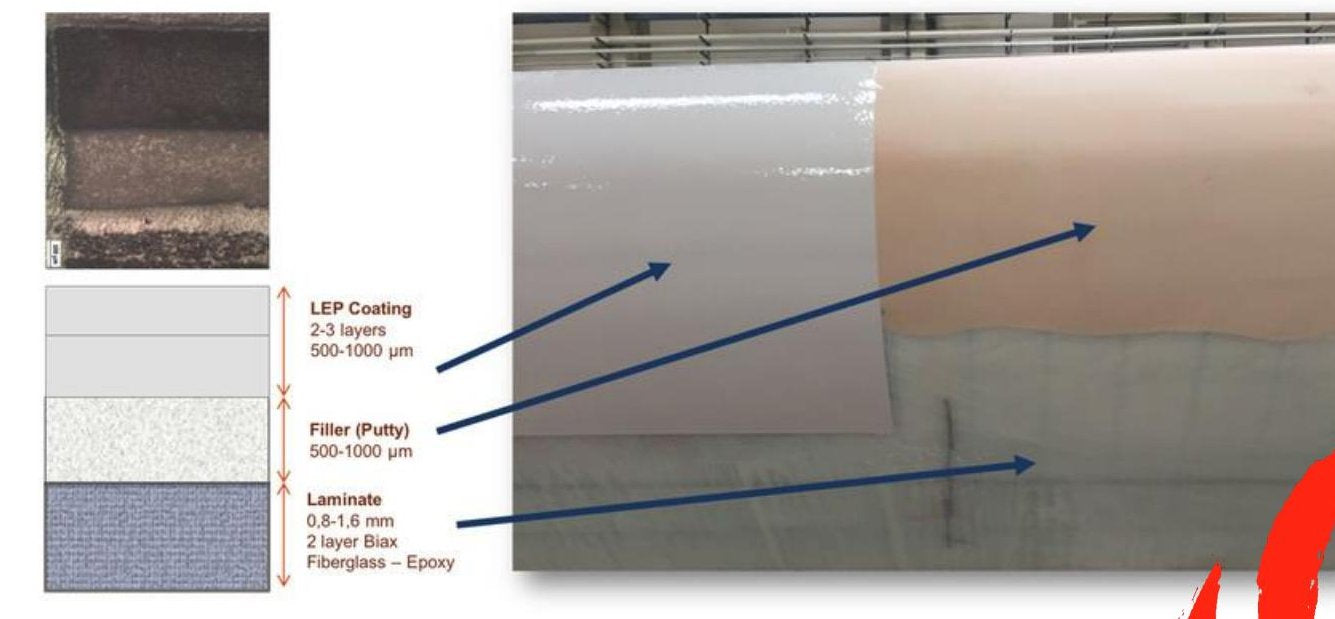
A typical leading edge has three zones, each needing a different approach:
| Layer | Typical build-up | What removal must do |
|---|---|---|
| LEP coating | 2–3 layers, 500–1,000 µm | Come off completely, without overheating the layers below |
| Filler (putty) | 500–1,000 µm | Be removed or levelled where damaged, without gouging |
| Laminate | 0.8–1.6 mm, 2-layer biax fibreglass–epoxy | Stay intact: no cut fibres, no heat damage |
Why is LEP removal delicate work?
Blade composites tolerate neither heat build-up nor deep gouging. Grinding and coarse sanding risk both. The removal method must strip the coating system while leaving the laminate intact and ready for the next application, often in rope-access conditions.
Two tools for blade composites
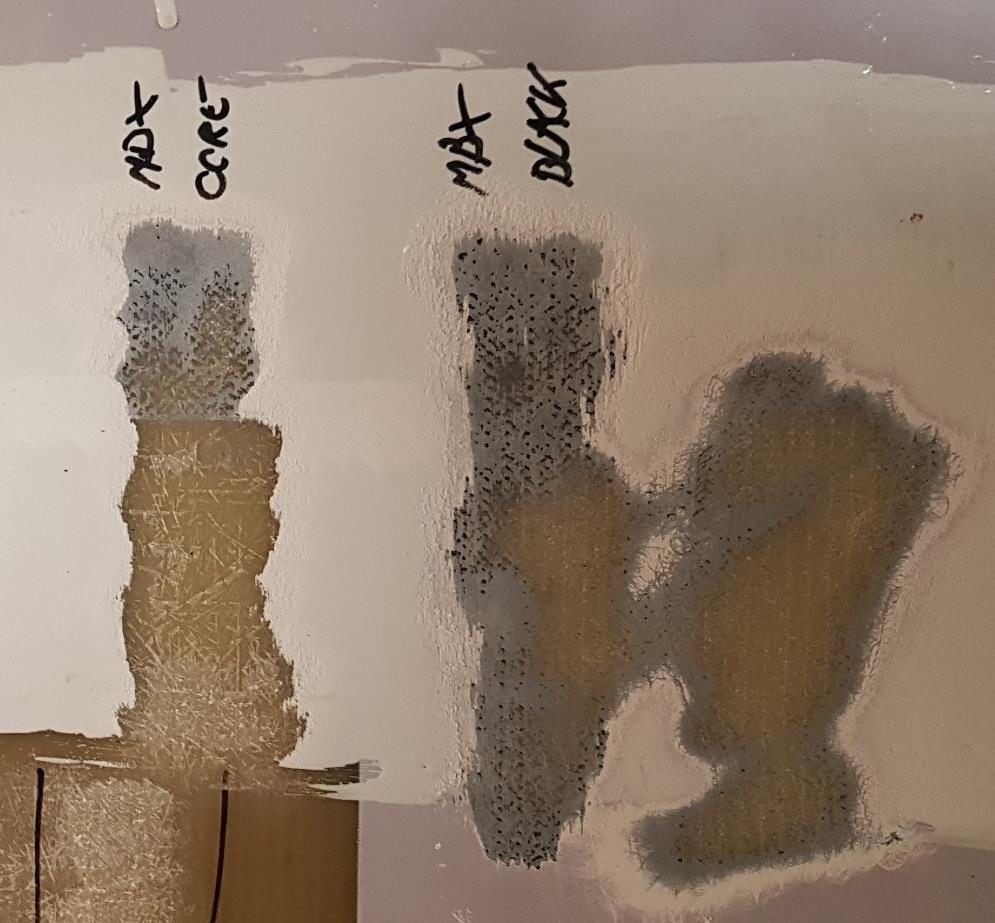
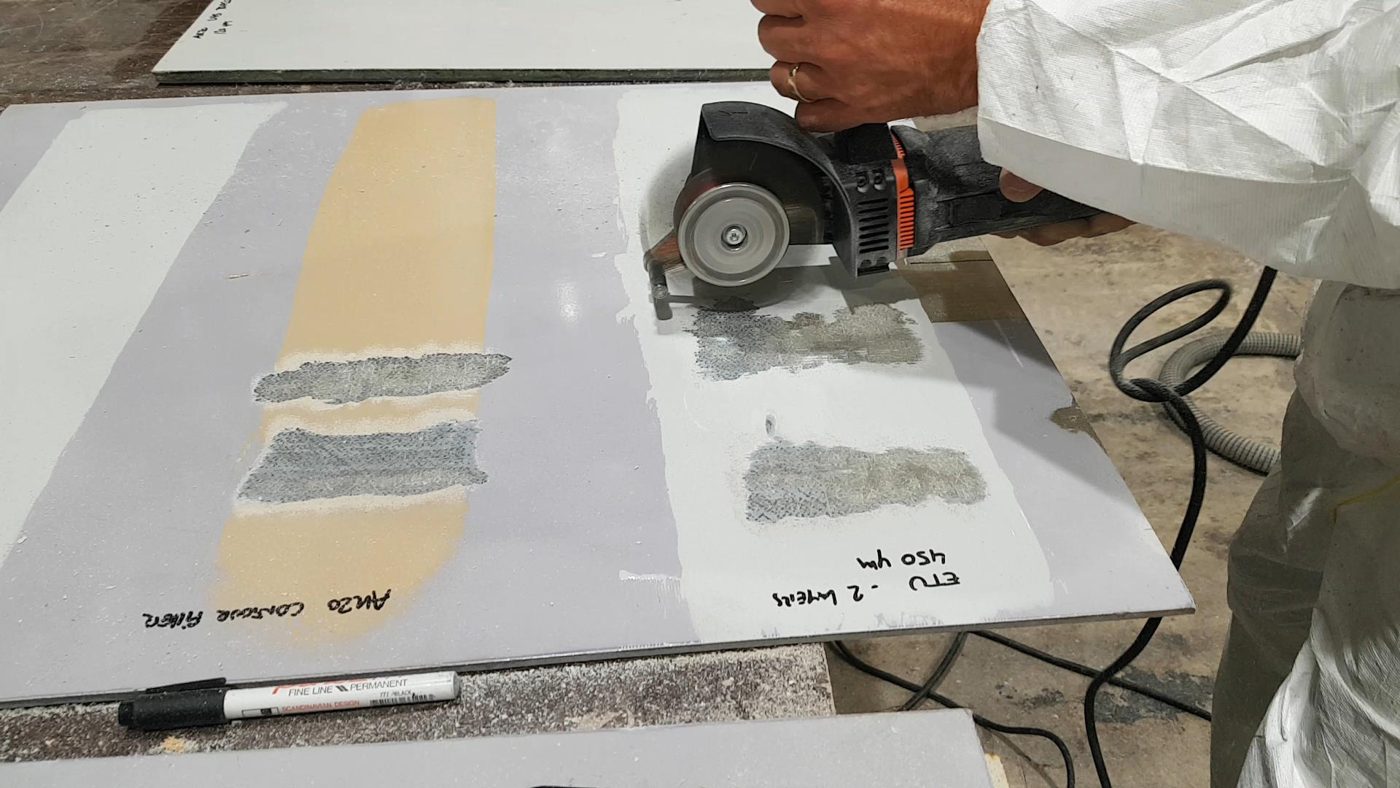
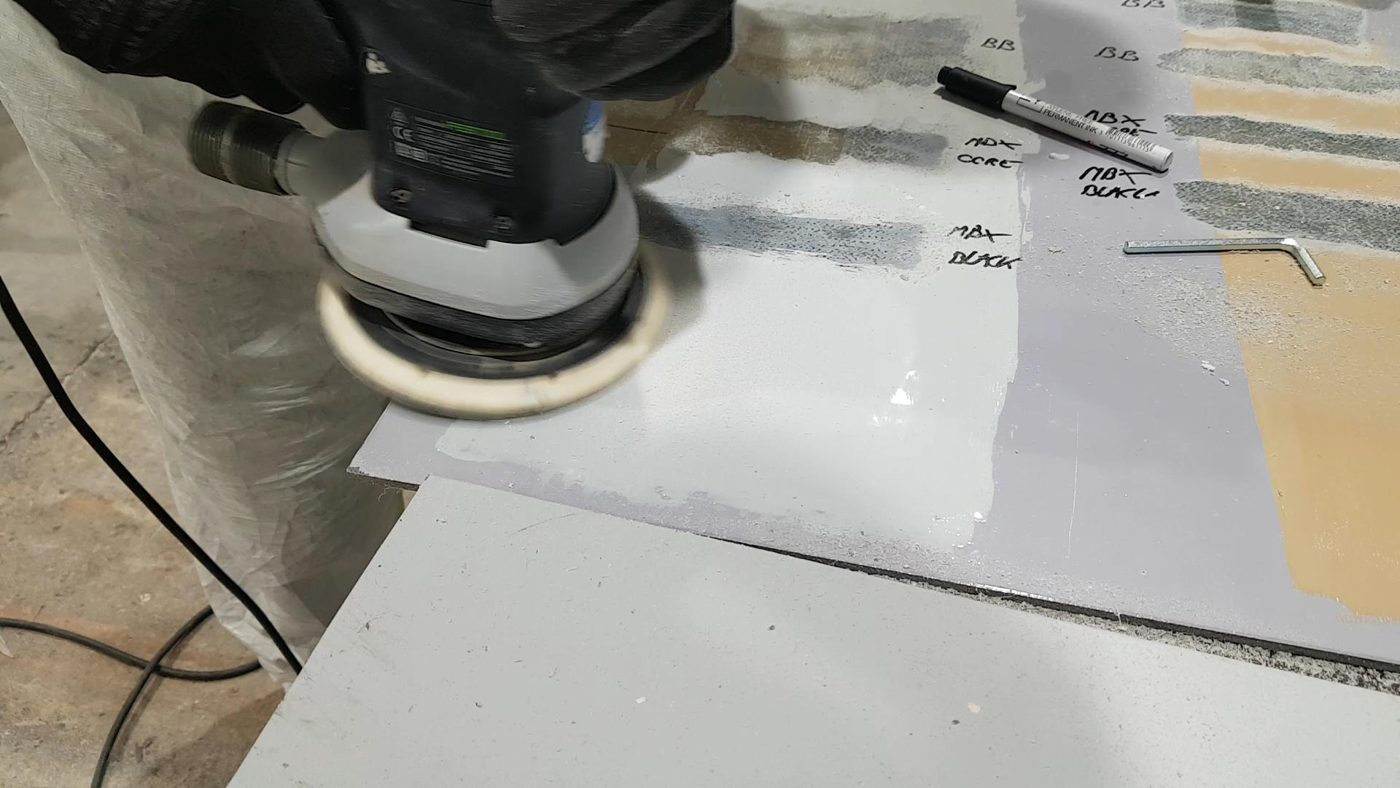
- MBX®: removes elastomeric LEP systems, contour filler and gelcoat without damaging the laminate. Belts come in different types, such as ocre and black.
- Bristle Blaster® (23 mm belt): removes coating build-ups and prepares the surface for composite repair. Low rotation speed (max. 3,500 rpm), low vibration, low sound level (max. 83 dB(A)) and minimal heat generation suit work on composites and at height.
Side-by-side tests on blade panels
MontiPower compared both tools with conventional P40 sanding on coated blade panels.
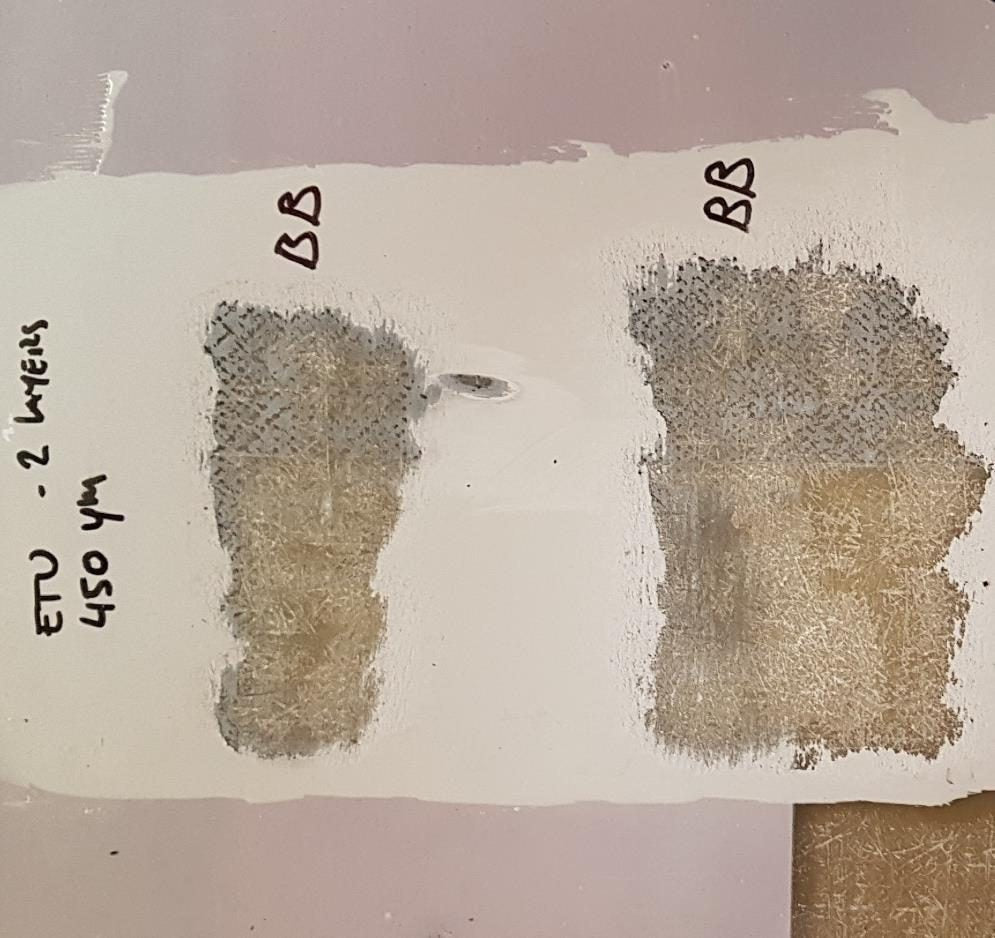
2-layer LEP coating (about 450 µm): Bristle Blaster® vs MBX®
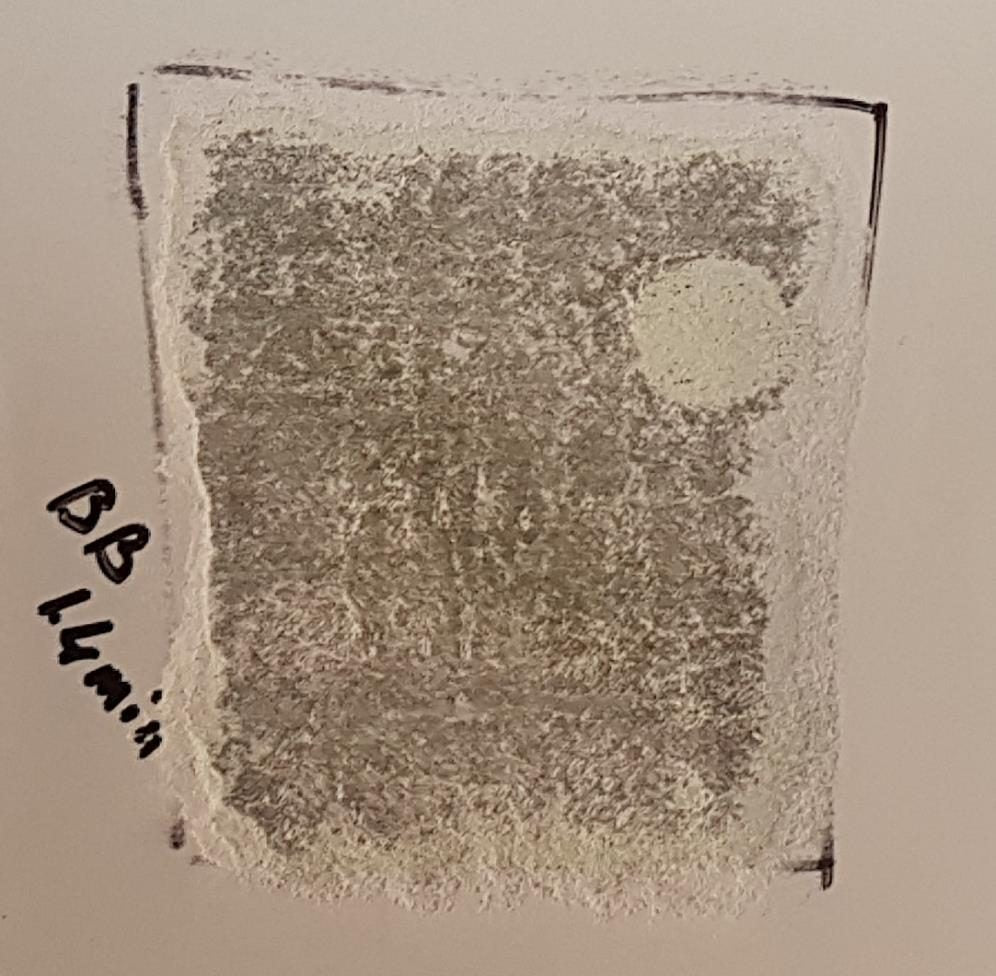
3-layer LEP coating: Bristle Blaster® vs P40 sanding
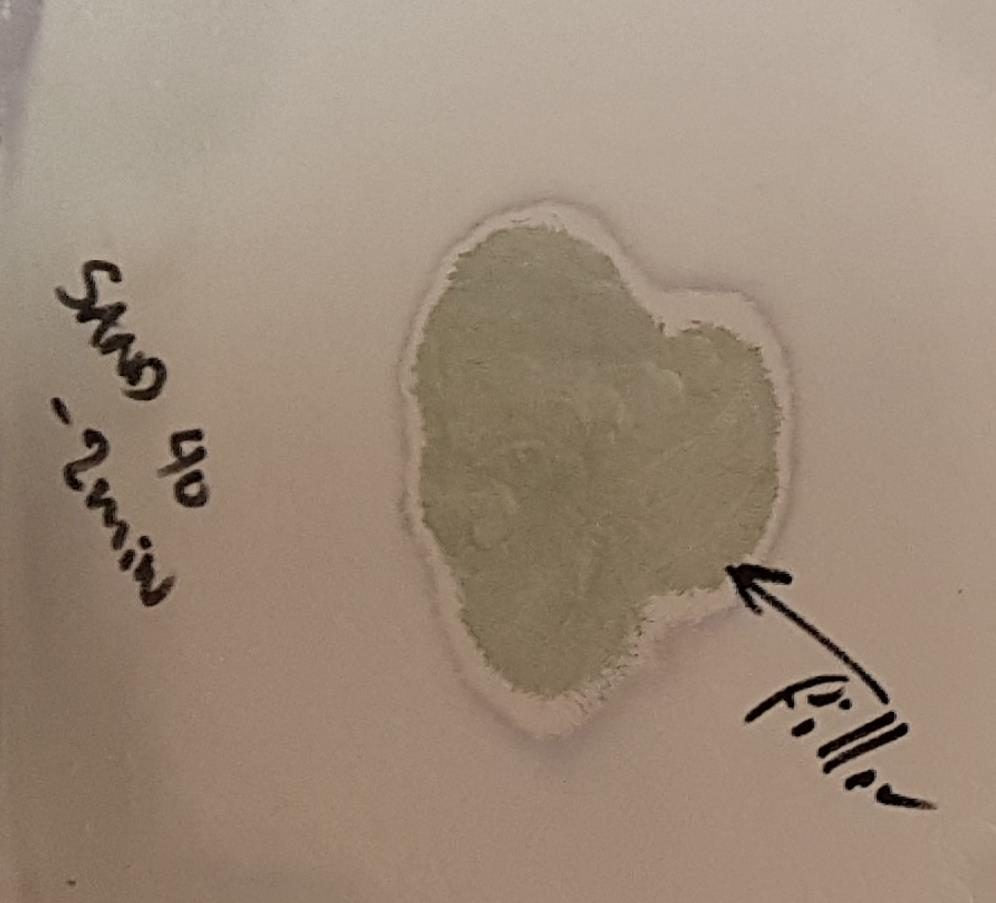
On the test panel, removing the 3-layer coating took 1.4 minutes with the Bristle Blaster® and 2 minutes with P40 sanding.
Contour filler: Bristle Blaster® vs MBX®
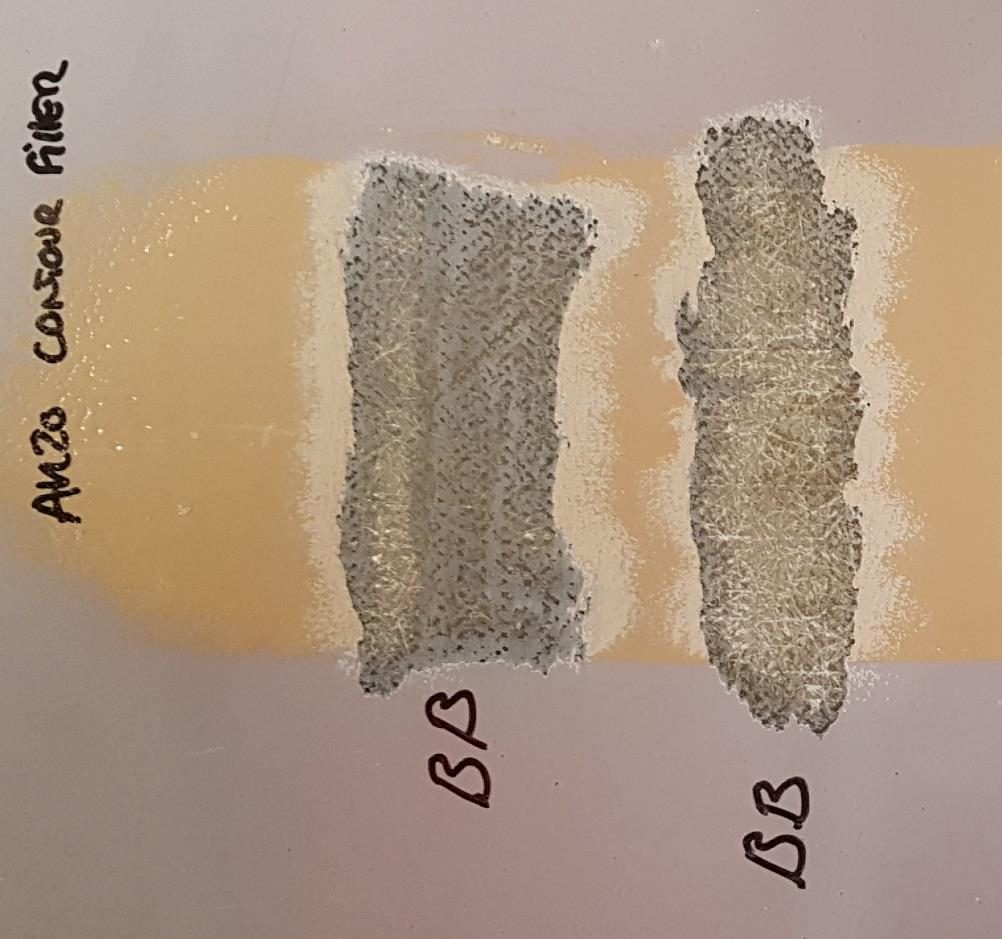
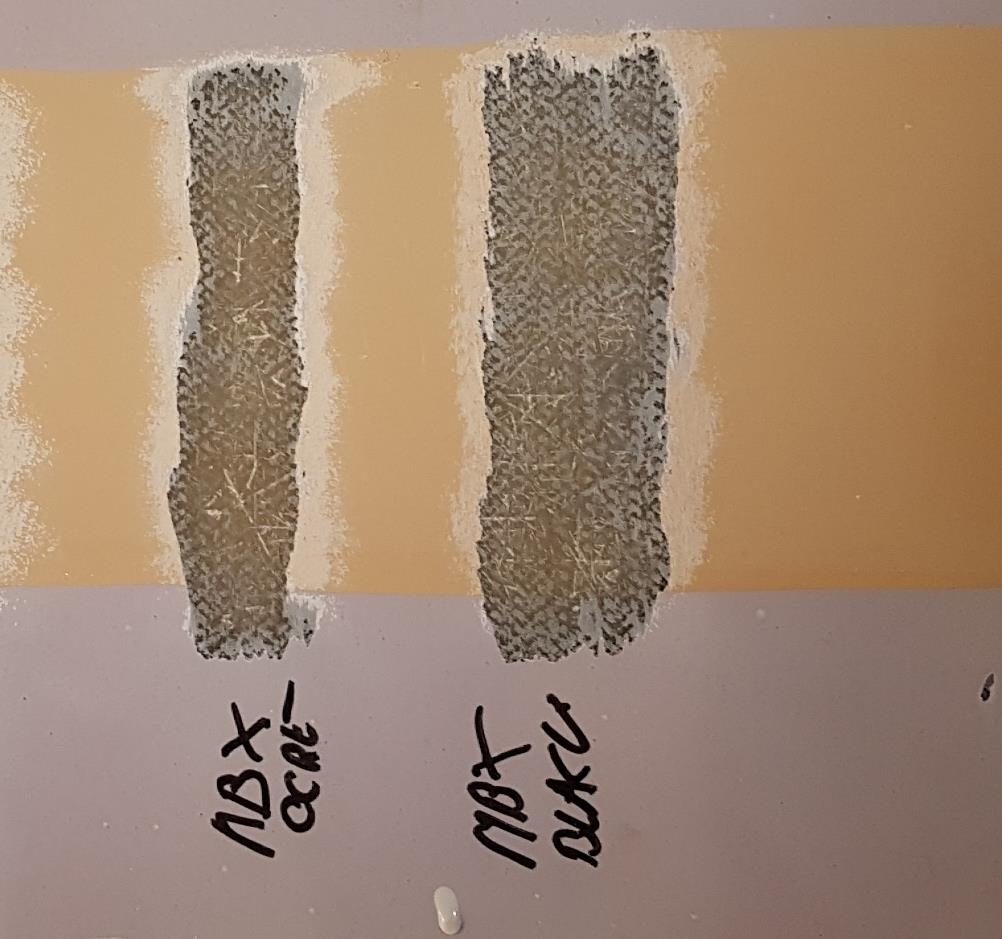
The laminate underneath, close up
What matters most is the laminate left behind. Microscope views of the surface after removal:
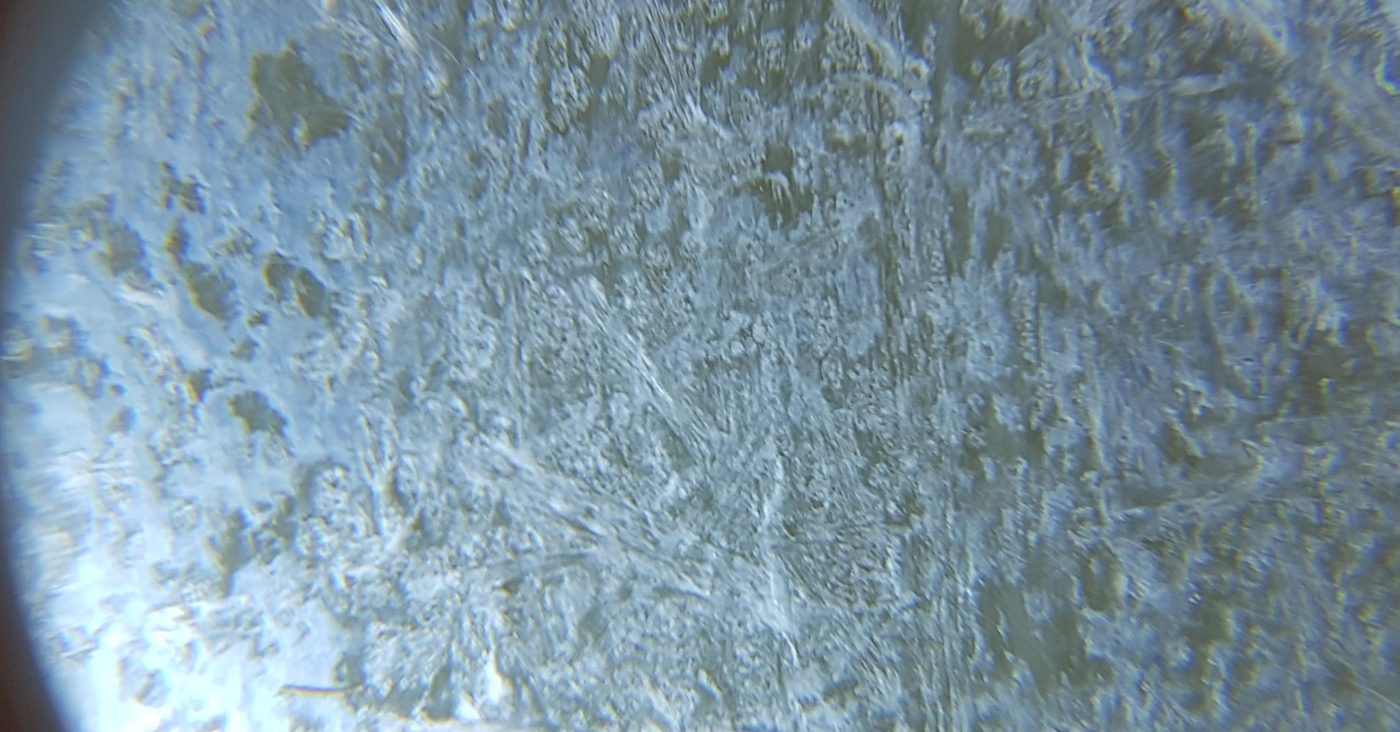
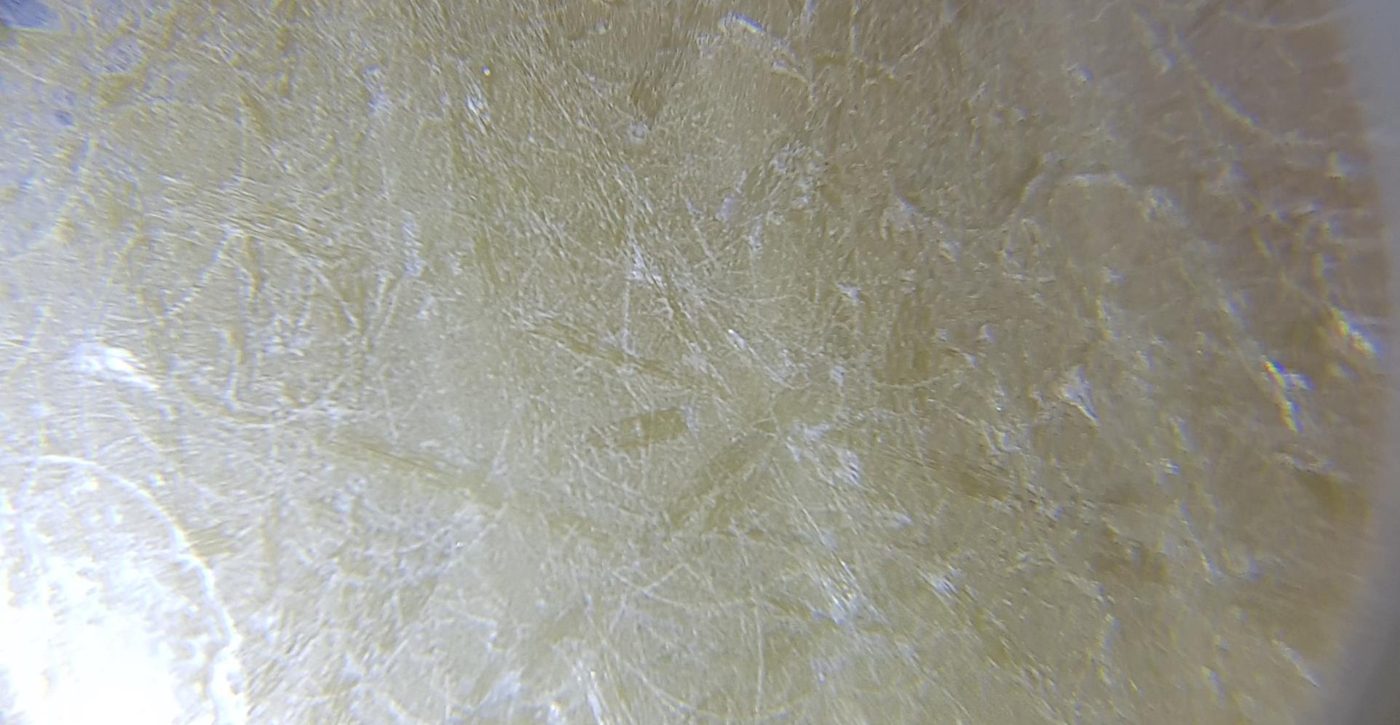
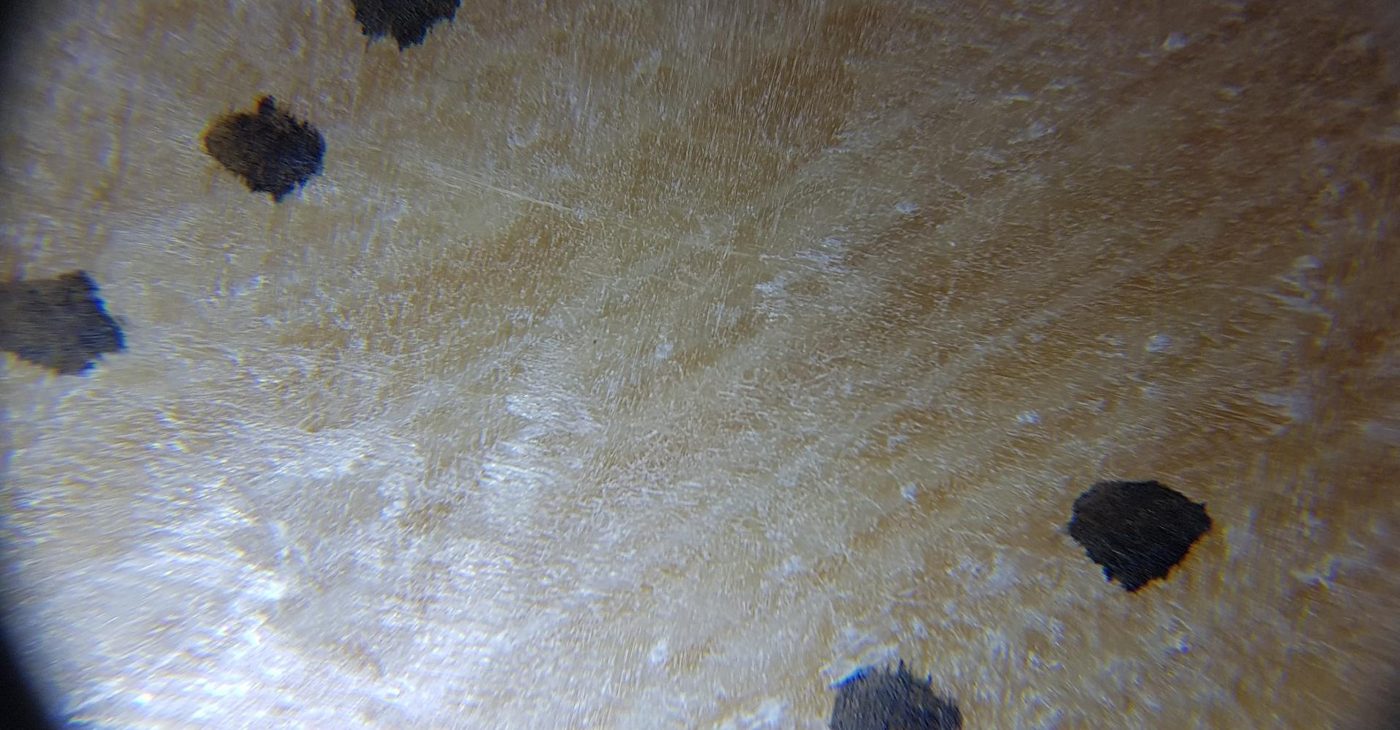
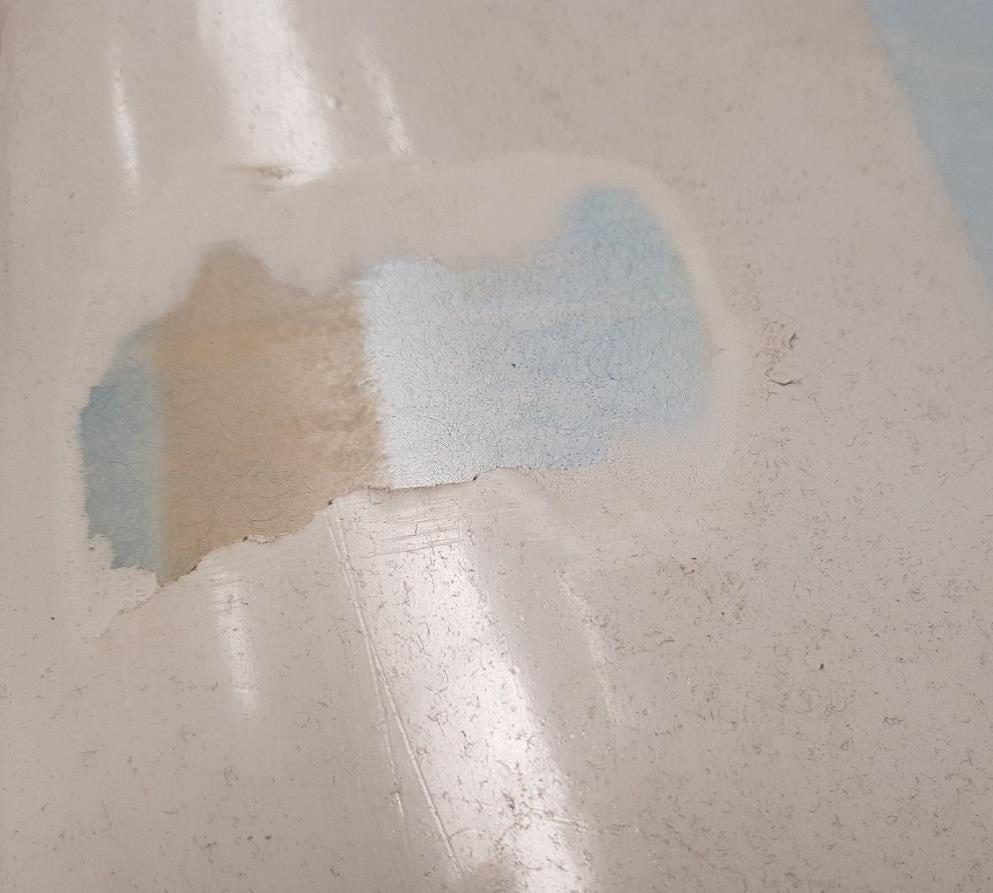
Removing undercured elastomer
When an elastomeric coating has not cured properly, it has to come off completely before the blade can be recoated.
What does the video show?
Controlled, cold-working removal of LEP from a blade section: coating off, substrate intact, surface conditioned for re-application. Combined with cordless drive, the same approach works up-tower.
Why it matters
A leading edge repaired in time is prevention rather than cure: once erosion reaches the laminate, a simple recoat turns into a structural blade repair. Removing the old system cleanly, without damaging the composite, keeps blades in service longer and avoids composite waste, which is hard to recycle (Planet). Low vibration, low noise and cordless options make the work safer for technicians on ropes and platforms (People). And giving blade service teams tools that work up-tower means repairs happen when they are needed, not when a crane is available (Power).
Request a quote Book operator training