Three families of protection
Most corrosion protection systems fall into one of three families. Metallic coatings put a sacrificial or barrier layer of a different metal on top of the substrate — hot-dip galvanizing, thermal (metal) spray, electroplated or galvanic coatings, and vapour-deposited layers all fall here. Organic coatings are paints, enamels and linings: a binder carrying pigments and fillers, cured into a continuous film. Conversion layers chemically transform the top few microns of the substrate itself into a more corrosion-resistant, better-bonding surface — phosphating (iron or zinc phosphate), chromating (green or yellow chromate), and anodizing (electrochemical oxidation, common on aluminium and titanium) are the main routes.
What is actually inside a primer
A primer is not one ingredient. It is built from protection layers, pigments, binder and fillers working together — and an estimated 80% of all primers in industrial use rely on some form of conversion or protection layer beneath the organic film to get their long-term performance. The pigment carries the corrosion-inhibiting or barrier function, the binder holds the film together and provides adhesion, and fillers control thickness, cost and mechanical properties.
Why the substrate always comes first
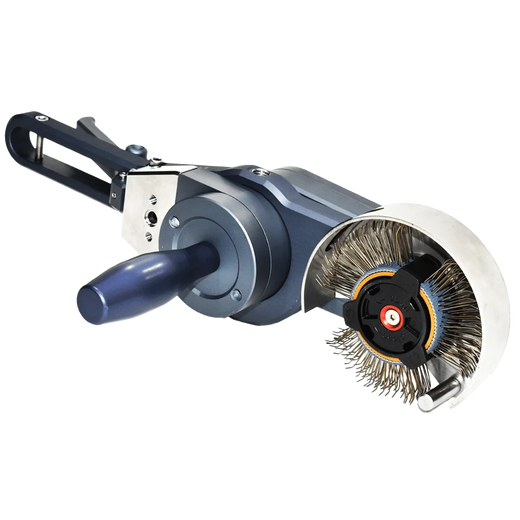
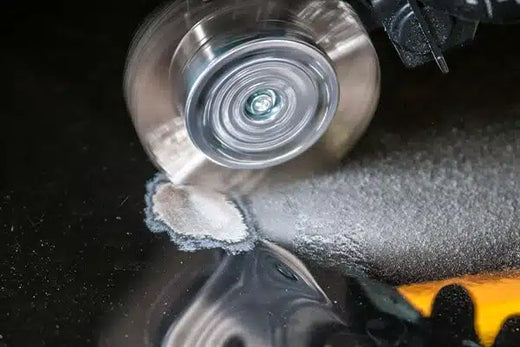
None of these systems — metallic, organic or conversion — will outperform the surface they are applied to. Contamination, mill scale, existing corrosion or an inadequate anchor profile will undermine a chromate conversion layer exactly as readily as it undermines a two-pack epoxy. That is why every coating specification starts with a surface preparation standard (typically ISO 8501-1 or SSPC), not with the coating itself. See our Controlled Preparation System for how MontiPower® tools get a substrate ready for whichever of these protection routes a specification calls for, and our practical guide to corrosion protection for steel structures for how these systems get specified in the field.